

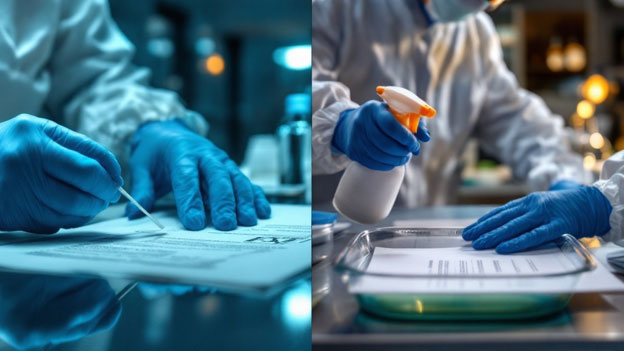
Forensic investigators face a critical challenge at every crime scene. They must decide whether to preserve evidence for DNA analysis or process it immediately for fingerprint recovery. This balance determines which form of evidence yields the greatest investigative value. A skilled fingerprint examiner, latent print examiner, and forensic scientist collaborate to make these decisions. Mastering this balance is crucial to safeguarding investigative outcomes and ensuring no valuable evidence is overlooked.
The Dual Nature of Forensic Evidence
Most physical evidence contains both DNA and fingerprint material. A single item may yield prints or DNA, but recovery methods differ sharply. Fingerprints need swift chemical or physical processing; DNA calls for strategic swabbing and preservation. Processing for fingerprints can sometimes destroy DNA, and vice versa. Analytical expertise is required to assess investigative value and select the optimal recovery technique for each case.
Understanding Fingerprint Evidence and Recovery Methods
Fingerprint analysis is a century-old tool. A latent print examiner makes identifications using unique ridge patterns. Over 30,000 comparison cases validate this method. Chemical processing is vital, but may compromise DNA. Recovery options depend on surface type—porous, nonporous, or specialty materials. Some surfaces, such as cement or fabrics, are unsuitable for typical recovery, so method selection is key. Forensic specialists must understand these limitations and plan accordingly.
DNA Evidence: Preservation and Extraction
DNA evidence can identify individuals from a single cell. Swabbing is performed before chemical processing. Proper packaging and storage prevents contamination. Unlike fingerprints, DNA isn’t time sensitive; it can be analyzed days or weeks later, allowing flexible prioritization in the workflow.
The Strategic Decision: Which Evidence to Prioritize
Investigators weigh case seriousness, condition, and evidence volume. For major crimes, dual processing is preferred—swabbing for DNA, then chemical processing for prints. Property crimes may be solved more quickly by prioritizing fingerprints. The condition of evidence always matters: visible, fragile prints demand fast processing; highly degradable DNA, swift preservation.
Proper Evidence Handling to Protect Both Types of Evidence
Careful handling is critical. Use gloves, handle on non-evidentiary areas, and avoid packaging items together. Never pack evidence with fillers that can wipe or contaminate DNA or prints. Chain of custody documentation must be meticulous for legal reliability.
Environmental Factors Affecting Evidence Longevity
Porous surfaces retain prints longer than nonporous; environmental conditions degrade both DNA and fingerprints. Protect evidence immediately from light, humidity, and contaminants.
Processing for Both Fingerprints and DNA Simultaneously
Modern labs can now process for both. DNA must be swabbed before chemical reagents are used. Proper sequencing maximizes recovery for both evidence types, demanding precise coordination.
The Role of Forensic Experts in Decision-Making
Certified forensic specialists understand recovery options, evidence potential, and investigative priorities. Open communication with investigators ensures resources are used where they deliver the greatest impact.
Training and Standards for Evidence Processing and analysts undergo specialized training and certification. Ongoing education ensures that both fingerprint and DNA recovery strategies keep pace with advances in technology and legal practice.
Conclusion
Balancing preservation and processing—supported by the right expertise and protocols—leads to the most reliable forensic outcomes. By adapting strategies for each case, forensic teams maximize evidence recovery, strengthen investigations, and support courtroom success.
About the Author
Kourosh Nikoui, BFA, CLPE, CSCSA, CFPH
Principal Consultant and CEO, Nikoui & Associates
With over 40 years of full-time experience in forensic science and criminal justice, Kourosh Nikoui is a Certified Latent Print Examiner, Certified Senior Crime Scene Analyst, and Certified Forensic Photographer by the International Association for Identification. Mr. Nikoui has processed evidence in over 30,000 criminal and civilian cases and testified as an expert witness more than 150 times in California Superior and U.S. Federal Courts. He serves as a consultant to law enforcement agencies and legal teams nationwide for forensic identification, crime scene analysis, forensic photography, evidence processing, and expert testimony. Learn more about Nikoui & Associates.